
Imagine this: You’re standing beneath the Eiffel Tower, gazing up at its intricate iron framework. It’s an awe-inspiring sight, towering over the Parisian skyline at a breathtaking 330 meters (1,083 feet).
But what if I told you that the Eiffel Tower isn’t always the same height?
Yes, you read that right! The world’s most famous iron landmark actually grows taller in the summer and shrinks in the winter—a phenomenon few tourists even realize. But why does this happen? And could this strange scientific fact shape the future of architecture?
Let’s uncover the mind-blowing science behind why the Eiffel Tower is never the same size twice!
The Eiffel Tower’s “Growth Spurt” – How Heat Affects Metal
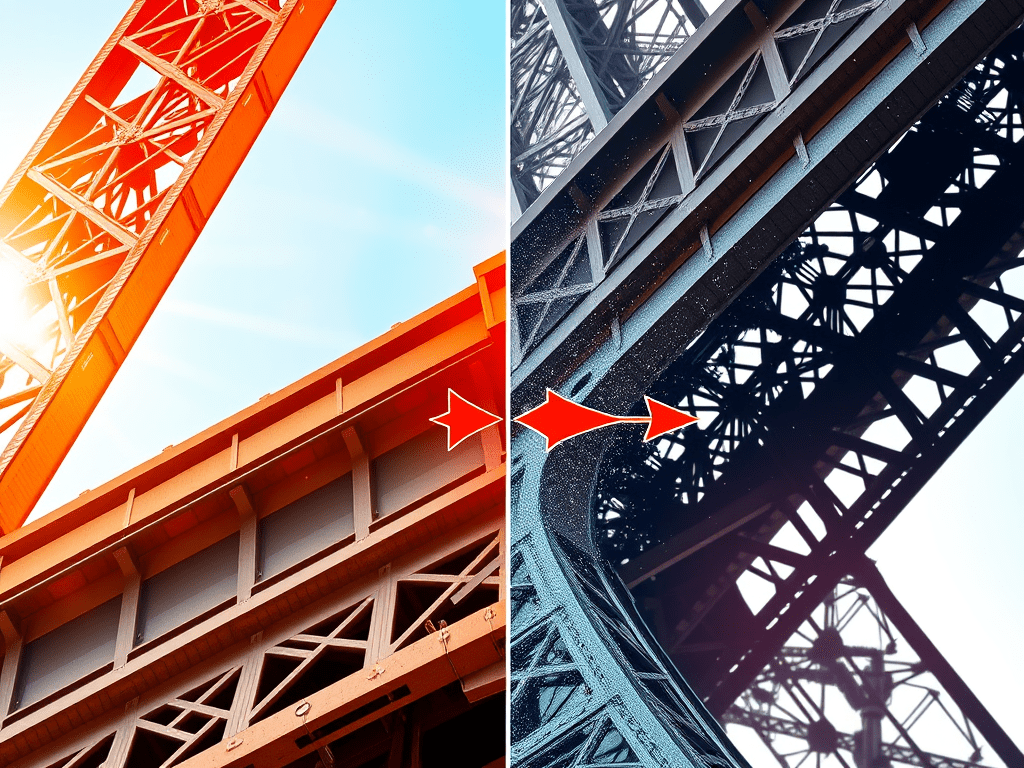
The Eiffel Tower is made of 7,300 tons of wrought iron, a material that expands when heated and contracts when cooled. This process, known as thermal expansion, is something engineers must consider when designing large metal structures.
➡️ In the summer, as temperatures rise, the metal in the tower expands, making it grow by up to 15 cm (6 inches)!
➡️ In winter, the cold causes the iron to contract, and the tower returns to its original height.
This expansion may seem small, but when applied to a structure as massive as the Eiffel Tower, the change is significant enough to measure!
💡 Fun Fact: Engineers design bridges, train tracks, and even skyscrapers with tiny gaps to accommodate thermal expansion, preventing warping or structural damage.
Did You Know? The Eiffel Tower Also Tilts in the Heat! 😲

As if growing taller wasn’t surprising enough, the Eiffel Tower can also tilt slightly during extreme heat!
Here’s how:
☀️ When one side of the tower gets more sunlight than the other, that part expands faster, causing the entire structure to lean slightly. While this shift is minimal (just a few centimeters), it’s a fascinating reminder that the Eiffel Tower is not as rigid as it seems!
“The Eiffel Tower is more than just an architectural marvel—it’s a living structure that subtly breathes with the environment.”
— Dr. Jean-Pierre Martin, Structural Engineer, Sorbonne University
But don’t worry! Gustave Eiffel, the genius behind the tower, designed it with enough flexibility to withstand these changes, making it incredibly resilient even after 135 years.
What If Future Buildings Could “Grow” Like the Eiffel Tower?
This phenomenon raises an exciting question:
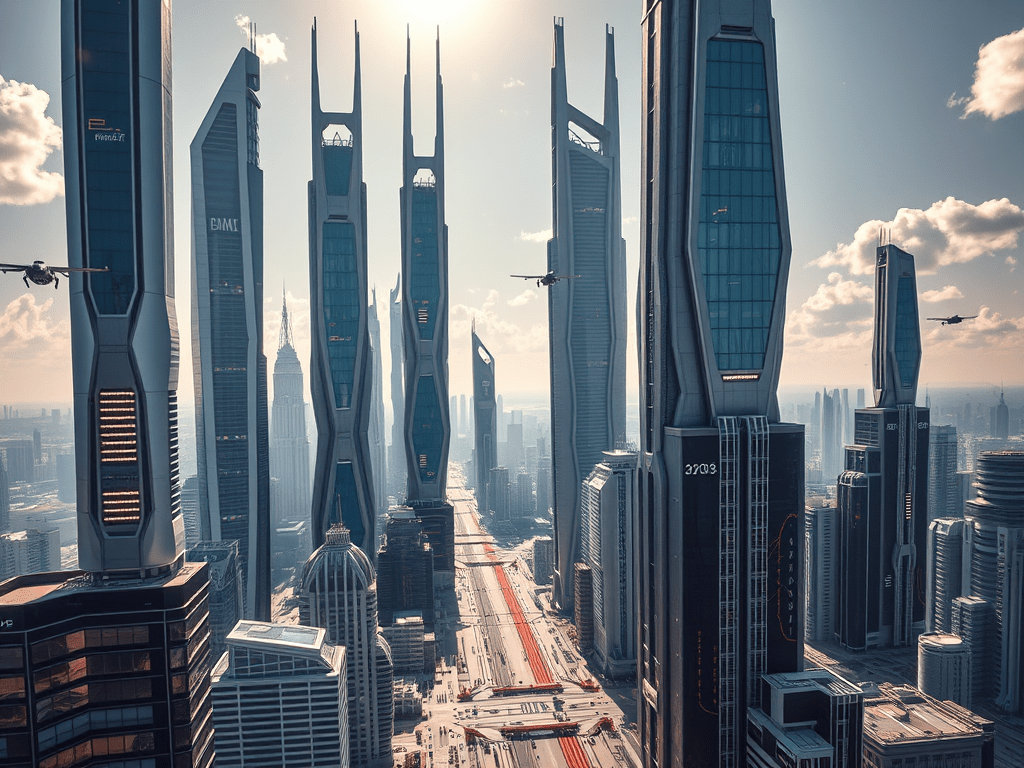
💡 What if modern buildings were designed to expand and contract like the Eiffel Tower?
Imagine a future where skyscrapers:
✔️ Adjust their height in response to temperature, improving ventilation in the summer and conserving heat in winter.
✔️ Shift slightly to absorb strong winds or earthquakes, making them more stable and earthquake-resistant.
✔️ Self-repair tiny cracks using heat-responsive materials that expand and close gaps naturally.
Scientists are already exploring shape-shifting materials that respond to temperature and pressure—could we be entering an era of self-adjusting architecture?
Would you live in a smart skyscraper that adapts to the weather? Let me know in the comments! ⬇️
Next Time You Visit Paris…
Whether you see the Eiffel Tower in July or January, just remember—you’re never looking at the exact same structure twice! It’s constantly shifting, expanding, and adapting to the environment around it.
So, here’s a challenge for you:
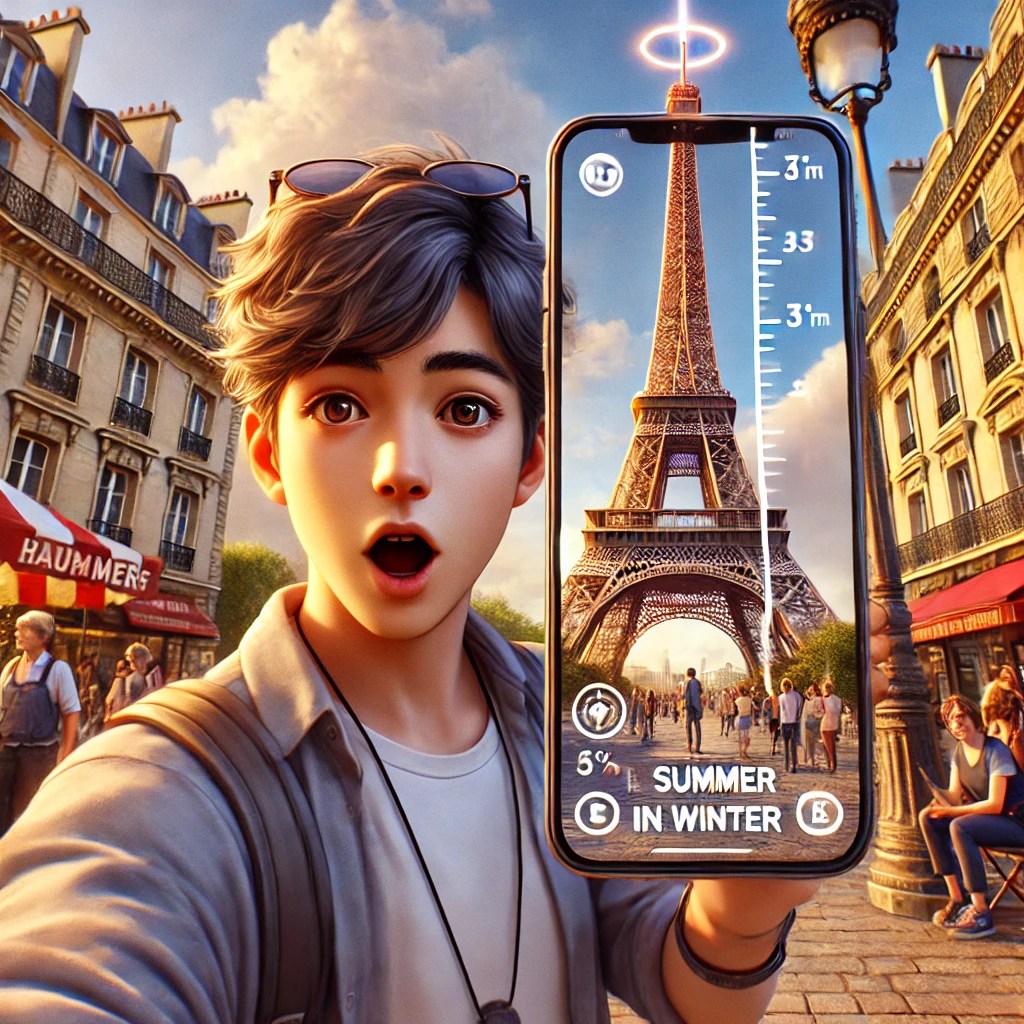
📸 If you ever visit, use a measuring app like Google Lens. You might just capture the Eiffel Tower at its tallest!
What Do You Think? Let’s Talk!
🤯 Did this fact surprise you?
❓ Can you think of other famous landmarks that might have hidden engineering secrets?
👇 Drop your thoughts in the comments! Let’s geek out together! 🚀🔥
f you enjoyed this, subscribe for more mind-blowing science facts!” 🚀🔔
 The Learn Nest
Leave a comment