The full moon has long been shrouded in mystery and intrigue, inspiring myths and legends across cultures. But does it truly influence human behavior? Let’s embark on a journey to explore the origins of these beliefs and examine what modern science has to say.
The Origins of Full Moon Myths
The association between the full moon and unusual behavior dates back to ancient civilizations:

- Lunar Deities – Many cultures personified the moon as a deity. The Greeks worshipped Selene, the moon goddess, while in Roman mythology, Luna ruled the night. Some believed these celestial beings influenced human emotions and actions.
- The Etymology of “Lunatic” – The word “lunatic” derives from Luna, the Latin word for the moon, reflecting ancient beliefs that moon phases could cause madness or erratic behavior.
- Folklore and Superstitions – Legends of werewolves transforming under a full moon, spikes in childbirth rates, and heightened emotions have persisted for centuries, passed down through generations.
These myths have been so ingrained in our culture that many people still believe the full moon can trigger odd occurrences. But is there any truth to these claims?
Scientific Investigations: Myth or Reality?

Despite enduring myths, scientific research has largely debunked significant effects of the full moon on human behavior. Let’s explore some of the most common claims:
1. Does the Full Moon Affect Mental Health?
Some believe that psychiatric hospital admissions increase during full moons, leading to more episodes of erratic behavior. However, multiple studies have analyzed hospital records and found no significant correlation. The perceived link is often due to confirmation bias, where people remember strange incidents that occur during a full moon but ignore those on other nights.
2. Does the Full Moon Disrupt Sleep?
While studies suggest a possible link between the lunar cycle and sleep, the effect is minor. Research has shown that some people experience slightly shorter sleep and lower melatonin levels during a full moon, but the difference is not dramatic. Scientists are still exploring whether this is a biological or psychological effect.
3. Are Crime Rates Higher During a Full Moon?
Hollywood loves to portray full moons as a time of heightened violence and chaos, but real-world data tells a different story. Studies analyzing police reports have found no consistent increase in violent crime, accidents, or emergency room visits during full moons. The belief persists mainly due to selective memory and sensationalized stories.
4. Can the Moon Influence Human Bodies Like It Does the Tides?
Some argue that because the moon affects ocean tides, it must also influence the human body, which is composed of about 60% water. However, the gravitational effect of the moon on a single human is negligible. Tides occur because of the moon’s pull on massive bodies of water, not small biological systems.
Why Do These Beliefs Persist?
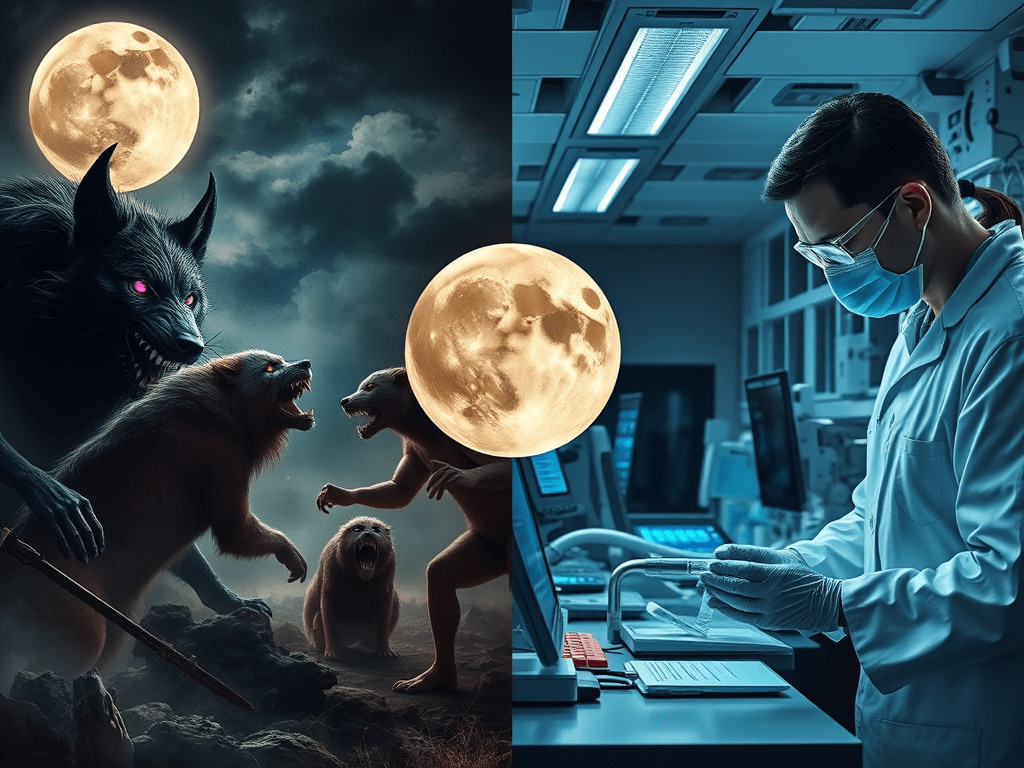
Even with scientific evidence debunking these myths, many people still swear by the full moon’s power. Why?
- Confirmation Bias – We tend to remember events that support our beliefs while ignoring contradictory evidence. If something strange happens on a full moon, we take notice, but we forget similar events on other nights. This selective recall reinforces our existing views and leads to a distorted understanding of reality, as we unconsciously filter out information that challenges our preconceived notions, ultimately impacting our decision-making and interactions with others.
- Media Influence – Movies, books, and sensational news stories reinforce the idea that full moons bring chaos. Over time, this repetition shapes public perception.
- Pattern Recognition – Human brains are wired to seek patterns, even where none exist. This leads to false associations between unrelated events, like linking the full moon to odd behavior.
Your Turn: What Do You Think?
Have you ever noticed anything unusual during a full moon? Do you believe the lunar cycle has a hidden influence on human behavior that science hasn’t yet explained? Share your thoughts in the comments below!
Conclusion
While the full moon enriches our cultural narratives and adds a touch of mystery to our nights, scientific evidence does not support significant effects on human behavior. The myths surrounding the full moon serve as a testament to humanity’s fascination with the cosmos and our tendency to create stories around celestial events.
If you enjoyed this exploration of lunar myths and science, subscribe to our blog for more intriguing insights into the wonders of our universe!
Sources:
· “Moonstruck: How Lunar Cycles Affect Life” by Ernest Naylor, Publisher: Oxford University Press, 2015.
· “The Moon: Myth and Image” by Jules Cashford, Publisher: Four Walls Eight Windows, 2003.
· “The Demon-Haunted World: Science as a Candle in the Dark” by Carl Sagan, Publisher: Random House, 1995.
· “Superstition: Belief in the Age of Science” by Robert L. Park, Publisher: Princeton University Press, 2008.
· “Lunacy and the Full Moon: The Birth, Death, and Rebirth of a Modern Myth” by Charles L. Raison, Publisher: Psychiatric Times, 1999.
 The Learn Nest
Leave a comment