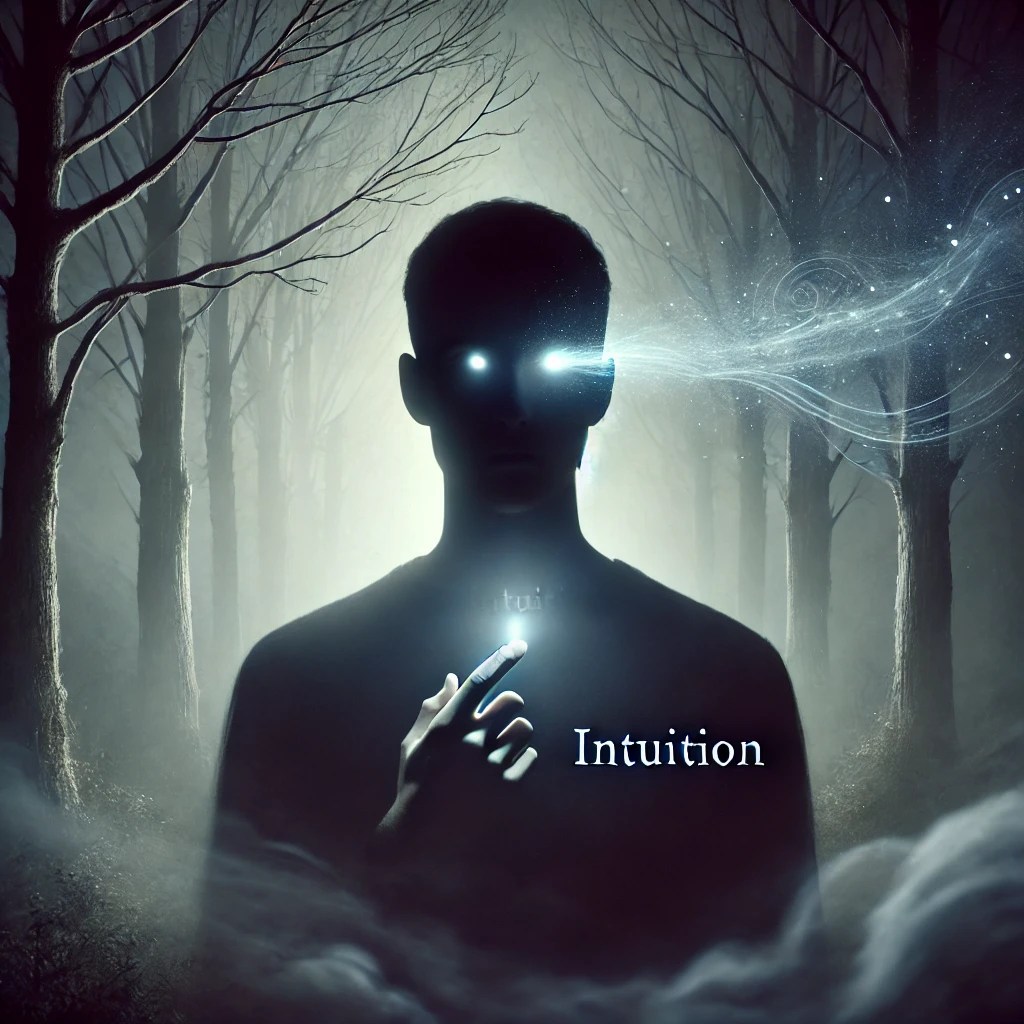
Have you ever had a gut feeling that turned out to be right? Or sensed danger before anything happened? Many people report experiencing a “sixth sense,” an ability to know or feel something without any logical explanation. But is this phenomenon real, or is it just the brain playing tricks on us? Science has some fascinating insights into the mystery of intuition.
What Is Intuition?

Imagine standing in a crowded room and suddenly feeling uneasy. Nothing seems wrong, yet your instincts tell you to leave. Moments later, an argument breaks out. Was it just a coincidence, or did you unconsciously pick up on warning signs?
Intuition is often described as an immediate understanding or knowing without conscious reasoning. Some call it a “gut feeling,” while others believe it’s a supernatural ability. But according to neuroscience, intuition is actually a highly developed form of pattern recognition (learn more).
The Science Behind Intuition
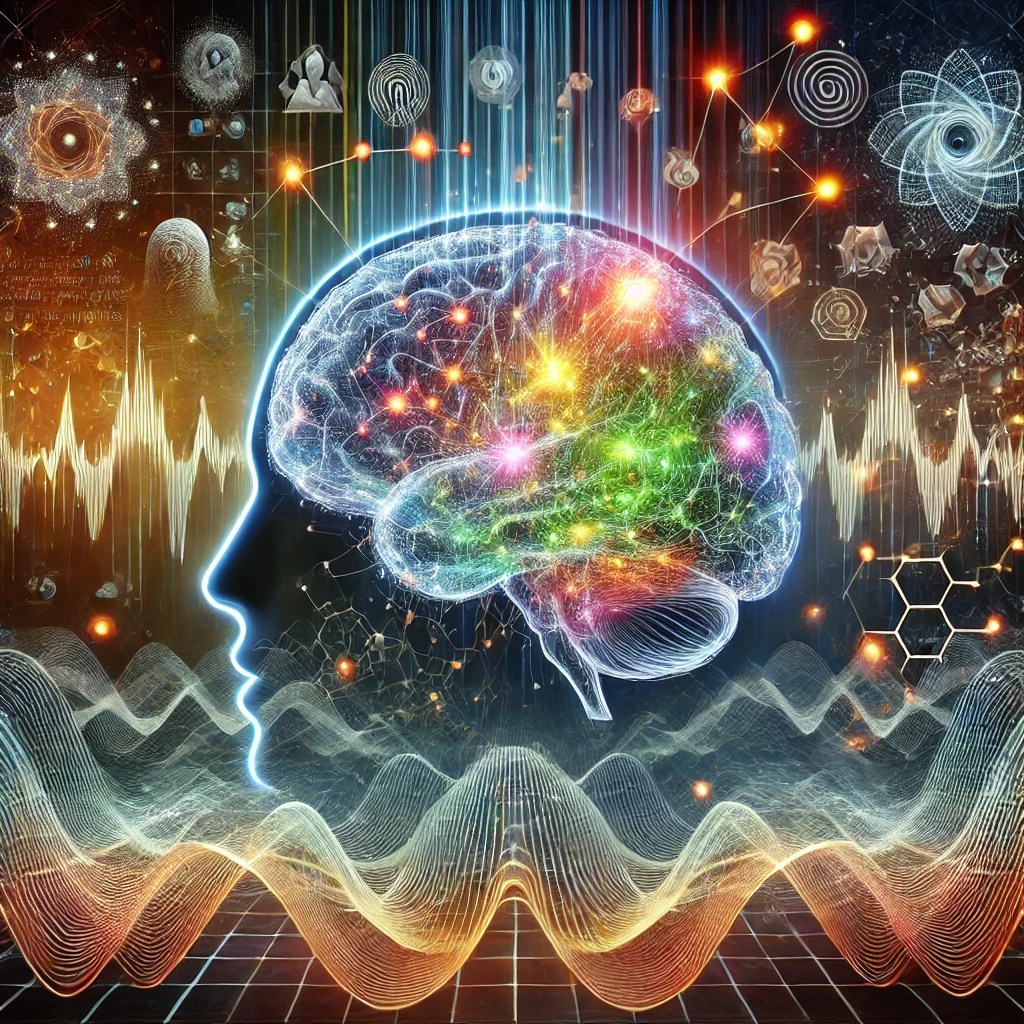
Researchers believe intuition is the brain’s way of processing vast amounts of information subconsciously. While you might not be aware of it, your brain constantly collects and analyzes data from your surroundings, past experiences, and emotions. Here’s how it works:
- Pattern Recognition: Your brain detects patterns based on past experiences and applies them to new situations (more on pattern recognition).
- Subconscious Processing: Information is processed at a deeper level before reaching conscious awareness.
- Emotional Signals: The brain links past emotional experiences to current situations, influencing your gut feelings.
For example, if you walk into a room and instantly feel uneasy, it might be because your brain subconsciously recognizes subtle cues of danger—such as body language, tone of voice, or even past memories associated with a similar situation.
Who Has the Strongest Intuition?
Some people seem to have a sharper “sixth sense” than others. Studies suggest that intuition is stronger in:
- Highly empathetic individuals – Those sensitive to emotions pick up on subtle social cues (read more on empathy and intuition).
- Experienced professionals – Experts in certain fields develop an intuitive sense based on years of experience.
- People who meditate – Meditation enhances self-awareness and subconscious processing, improving intuitive abilities.
- Women – Some research suggests that women tend to be more intuitive due to greater emotional intelligence and sensitivity to social cues.
Is Intuition a Superpower?
While intuition feels mysterious, it’s not magic. However, it can sometimes work in ways that seem supernatural. Some interesting studies show:
- Police officers and firefighters often make split-second decisions based on intuition, which later proves to be correct.
- Chess grandmasters can predict their opponent’s moves without consciously analyzing them.
- Mothers often sense when their child is in danger, even if they’re miles away.

Can You Improve Your Intuition?
Absolutely! Like any skill, intuition can be strengthened with practice. Here are some ways to sharpen your sixth sense:
- Trust your gut – Pay attention to your initial instincts.
- Practice mindfulness – Being present helps you tune into subconscious signals (more on mindfulness).
- Analyze past experiences – Reflect on times when your intuition was right (or wrong) and learn from them.
- Expose yourself to new experiences – Expanding your knowledge helps your brain recognize new patterns faster.
- Listen to your emotions – Feelings often contain valuable subconscious insights.
The Final Mystery
Whether you call it a “sixth sense” or subconscious intelligence, intuition is a powerful tool that helps us navigate the world. While it’s not supernatural, it’s certainly extraordinary. So the next time your gut tells you something, don’t ignore it—your brain might know more than you think!
Have you ever had an intuitive moment that surprised you? Share your story in the comments!
If you found this article interesting, subscribe to our newsletter for more fascinating insights into the mind and science!
Sources
- Klein, G. (1998). Sources of Power: How People Make Decisions. MIT Press, p. 31.
- Kahneman, D. (2011). Thinking, Fast and Slow. Farrar, Straus and Giroux, p. 237.
- Gigerenzer, G. (2007). Gut Feelings: The Intelligence of the Unconscious. Viking Press, p. 76.
- Gladwell, M. (2005). Blink: The Power of Thinking Without Thinking. Little, Brown and Company, p. 192.
- Davidson, R. J., & Goleman, D. (2017). Altered Traits: Science Reveals How Meditation Changes Your Mind, Brain, and Body. Avery, p. 152.
- Klein, G. (2003). Intuition at Work: Why Developing Your Gut Instincts Will Make You Better at What You Do. Currency, p. 45.
- Goleman, D. (2013). Focus: The Hidden Driver of Excellence. Harper, p. 89.
You may also enjoy reading this blog post:
Zombie Ants: When Fungi Turn Insects into Mindless Puppets.

 The Learn Nest
Leave a comment