
Image Credit: belfasttelegraph
The Titanic Wreckage: A Ghostly Time Capsule Beneath the Atlantic
More than a century after the RMS Titanic sank into the North Atlantic, its wreckage remains one of the most intriguing underwater discoveries of all time. The legendary ship, once hailed as “unsinkable,” met its tragic fate on April 15, 1912, when it struck an iceberg and plunged over 12,000 feet to the ocean floor. While many have heard the story of its ill-fated voyage, the wreckage itself holds secrets that continue to captivate researchers and enthusiasts alike. But what does the future hold for this deep-sea relic, and should we intervene to preserve it? Share your thoughts in the comments!
The Discovery: A 73-Year Mystery
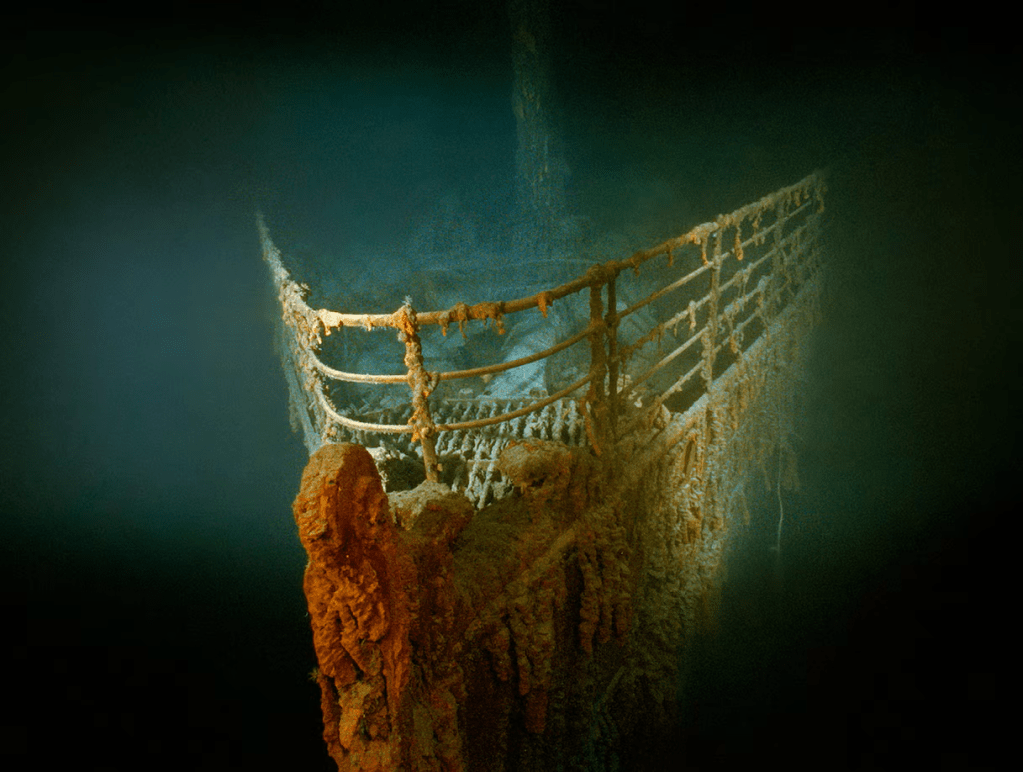
Image Credit: nationalgeographic
For decades, the exact location of the Titanic was unknown. The ship had sent distress signals, but rough seas and limited technology made it impossible to pinpoint the site. It wasn’t until 1985 that the wreck was discovered by Dr. Robert Ballard, an oceanographer who was using a robotic submersible named Argo to survey the seabed. What he found was chilling: the Titanic had split into two massive sections, resting roughly 2.5 miles beneath the ocean’s surface.
Ballard’s discovery raised ethical questions: Should the wreck be explored or left undisturbed as a memorial? Where do you stand on this debate?
The Condition of the Titanic Today
The wreckage of the Titanic is slowly disintegrating due to deep-sea currents, corrosion, and metal-eating bacteria known as Halomonas titanicae. Scientists predict that within the next few decades, much of the wreck could collapse entirely, leaving behind only scattered artifacts.
Key Observations from the Wreckage:
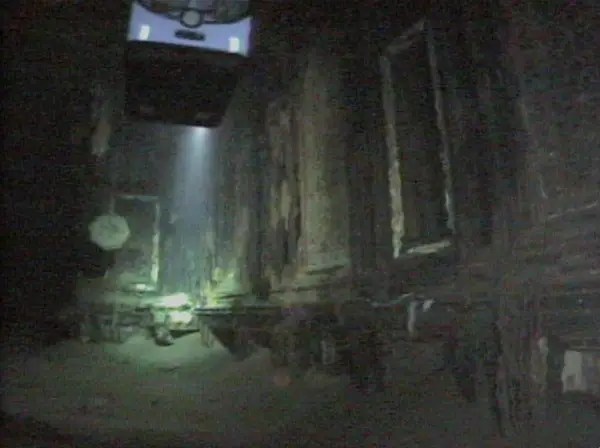
Entertainment Pictures / Alamy Stock Photo
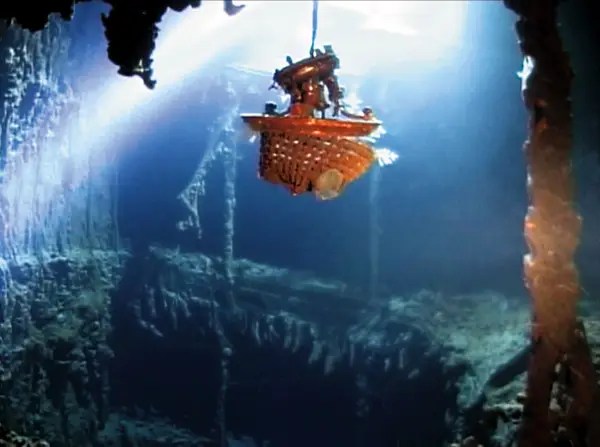
/ Alamy Stock Photo
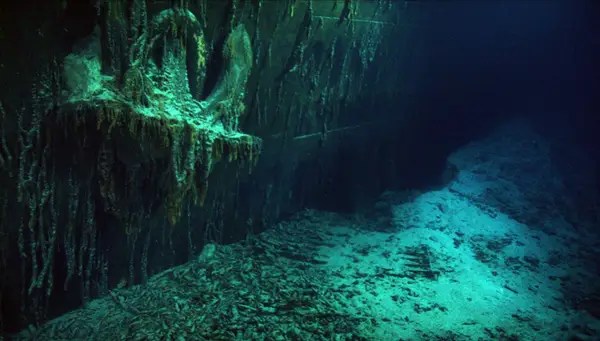
/ Alamy Stock Photo
Maximum Film / Alamy Stock Photo
Ralph White / Getty Images
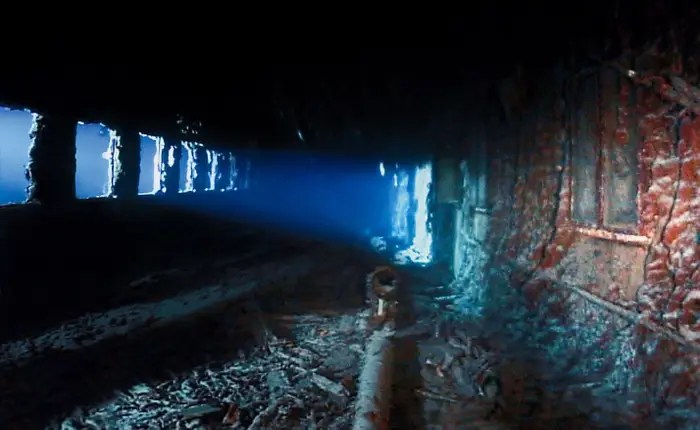
- The Bow Section: This part of the ship remains remarkably intact, with many features such as the anchor, railings, and deck still recognizable.
- The Stern Section: Unlike the bow, the stern is a chaotic tangle of metal. When the ship broke apart, the stern suffered violent implosions as air pockets collapsed under deep-sea pressure.
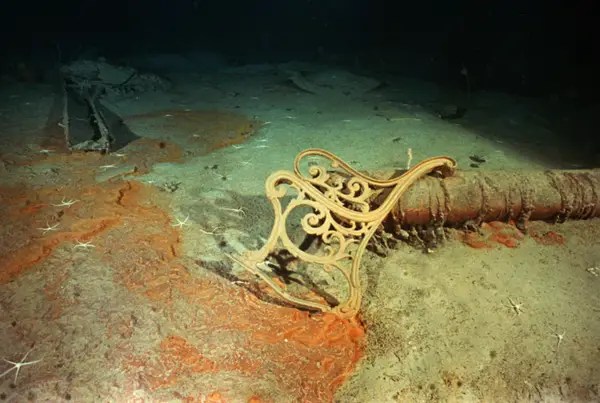
- The Debris Field: Scattered over several thousand square meters, the wreckage includes personal belongings such as shoes, china, jewelry, and even perfume bottles, preserved in near-perfect condition.
What Lies Beneath: The Haunting Remnants of a Bygone Era
The Titanic wreckage is a ghostly time capsule, frozen in time. Many artifacts tell heartbreaking stories:

cbs4indy.com
r/titanic

- Shoes and Clothing: While no human remains exist due to deep-sea conditions, shoes and boots still lie side by side, marking where victims once rested.
- The Grand Staircase: Made famous by the Titanic film, the staircase is now completely gone—likely disintegrated when the ship broke apart.
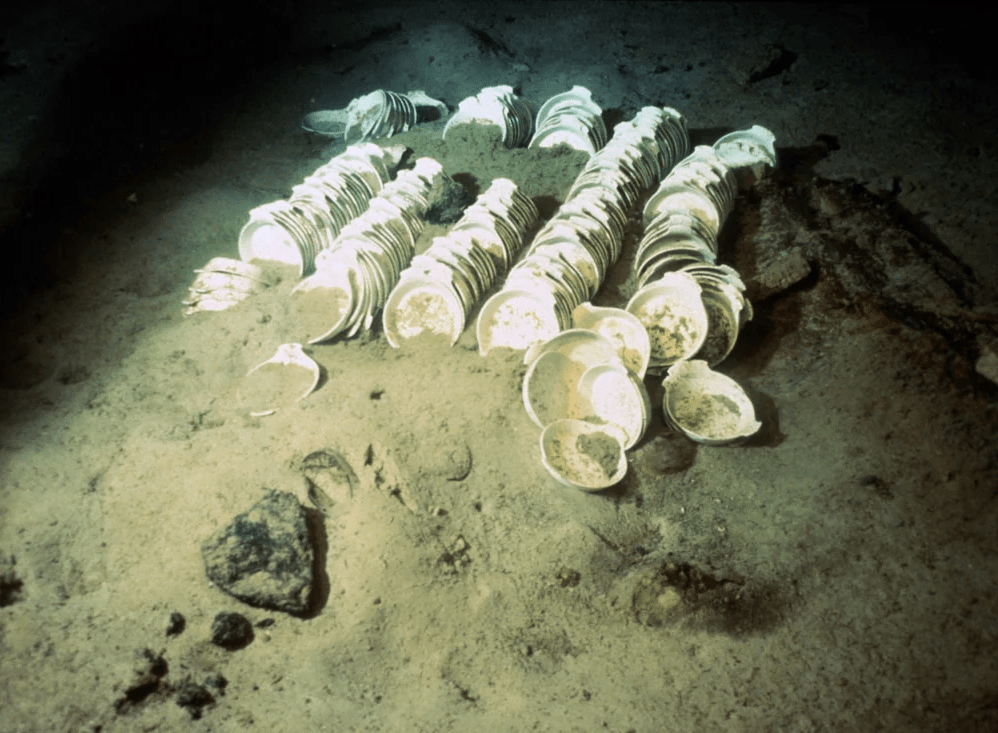
- China and Silverware: Plates with the White Star Line emblem still rest on the ocean floor, untouched by time.
What do you think? Should these artifacts be recovered and displayed in museums, or should they remain undisturbed out of respect for those who perished?
The Future of the Titanic Wreck
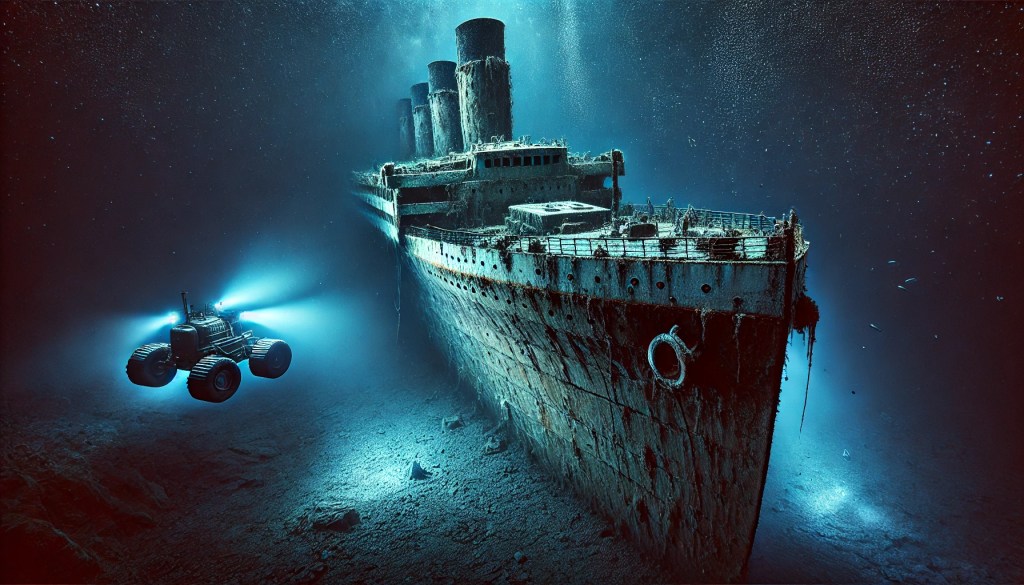
Explorers continue to study the Titanic, but each visit accelerates its decay. Some argue that the site should remain undisturbed as a memorial, while others support research missions to preserve as much knowledge as possible before it’s lost forever.
One thing is certain: the Titanic wreckage is more than a shipwreck—it is a solemn monument to one of history’s greatest maritime tragedies. Should modern technology be used to digitally preserve the site before it disappears?
Final Thought
As technology advances, will we see more daring attempts to recover artifacts or even raise parts of the ship? Or will the Titanic be left to its eternal rest, claimed by the ocean forever?
We’d love to hear your thoughts! Leave a comment below and let’s discuss the legacy of this haunting shipwreck.
If you enjoyed this post, subscribe for more fascinating deep-sea mysteries and historical discoveries!
Sources:
- Ballard, Robert D. The Discovery of the Titanic. Warner Books, 1987, pp. 112-150.
- Lynch, Don & Marschall, Ken. Titanic: An Illustrated History. Hyperion, 1992, pp. 78-124.
- Bartlett, Tim. Titanic: The Ship That Never Sank? Amberley Publishing, 2012, pp. 53-89.
- National Oceanic and Atmospheric Administration (NOAA) Reports on the Titanic Wreck Site.
“Curious about space exploration challenges? 🚀 Check out this related story on Sunita Williams’ Spacecraft Trouble – The Facts Behind Starliner’s Failure: Read here“

 The Learn Nest
Leave a comment