Diamonds have been the subject of fascination and humor for ages, and if you’ve ever joked with your partner about their rarity, you’re not alone. In this interactive exploration, we’ll dive into the real story behind diamond rarity—mixing science, history, and a dash of wit along the way. Get ready for an engaging journey that might just change the way you view that sparkling stone on your ring!
Beneath the Sparkle: The Science of Diamond Formation
Ever wonder how a diamond comes to life?
Deep within the Earth’s mantle, where extreme pressure and heat work their magic, carbon atoms bond in a way that creates these glittering wonders. It’s nature’s hidden workshop, crafting diamonds in places you’d least expect.

Image Credit: geologyin.com
The Economic Rarity: More Than Meets the Eye
While diamonds form naturally in vast quantities, only a select few are of the high quality required for fine jewelry. Here’s what shapes their rarity:
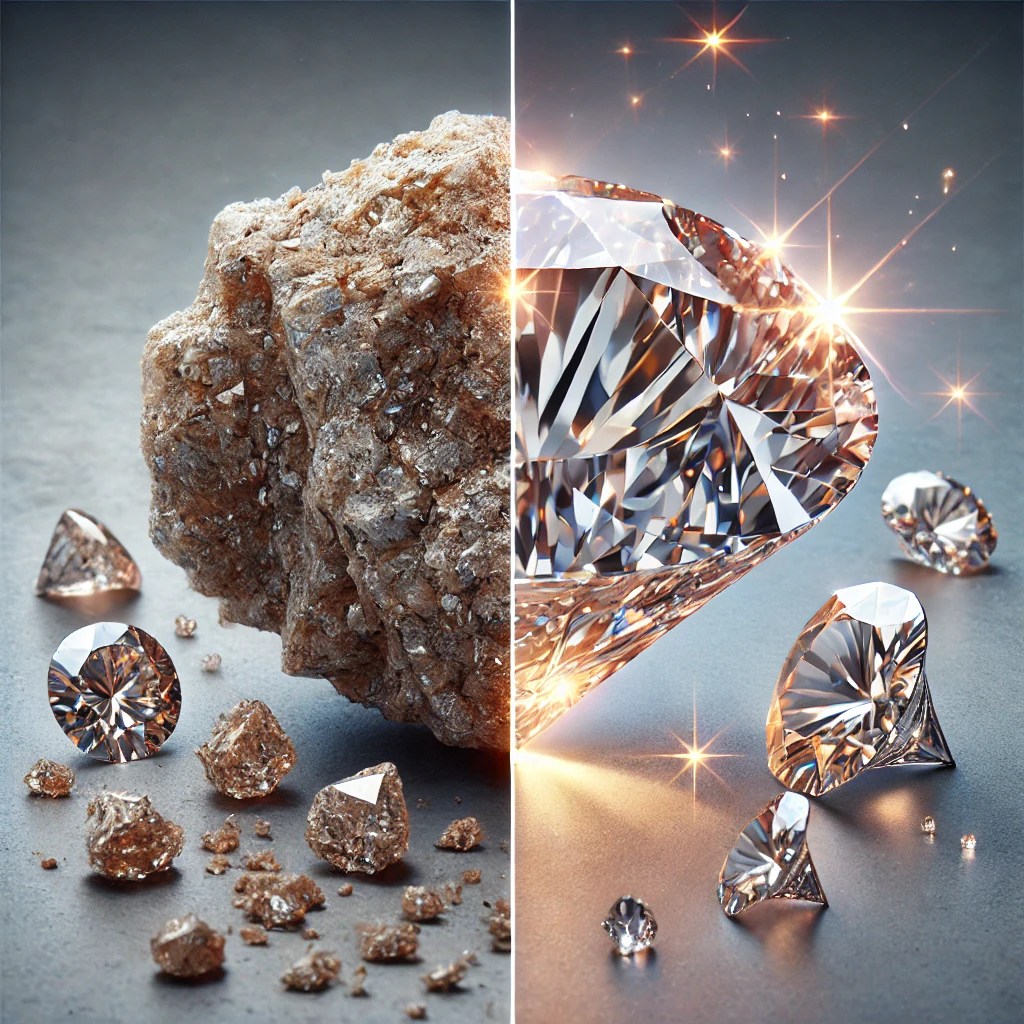
- Economic Viability: Only deposits that yield high concentrations of gem-quality diamonds can be mined profitably.
- Quality Control: The dazzling, flaw-free diamonds that dazzle in jewelry boxes are far rarer than their industrial counterparts.
The Marketing Masterstroke: Crafting the Illusion
The diamond industry owes much of its mystique to savvy market strategies. Enter De Beers—whose control over diamond supply redefined what “rare” really meant.
- Supply Control: By limiting the diamond flow, they created an aura of exclusivity.
- Iconic Campaigns: The legendary “A Diamond is Forever” slogan wasn’t just clever; it was transformative, embedding the notion of rarity deep into our cultural psyche.
The Modern Twist: Lab-Grown Diamonds and Ethical Transparency
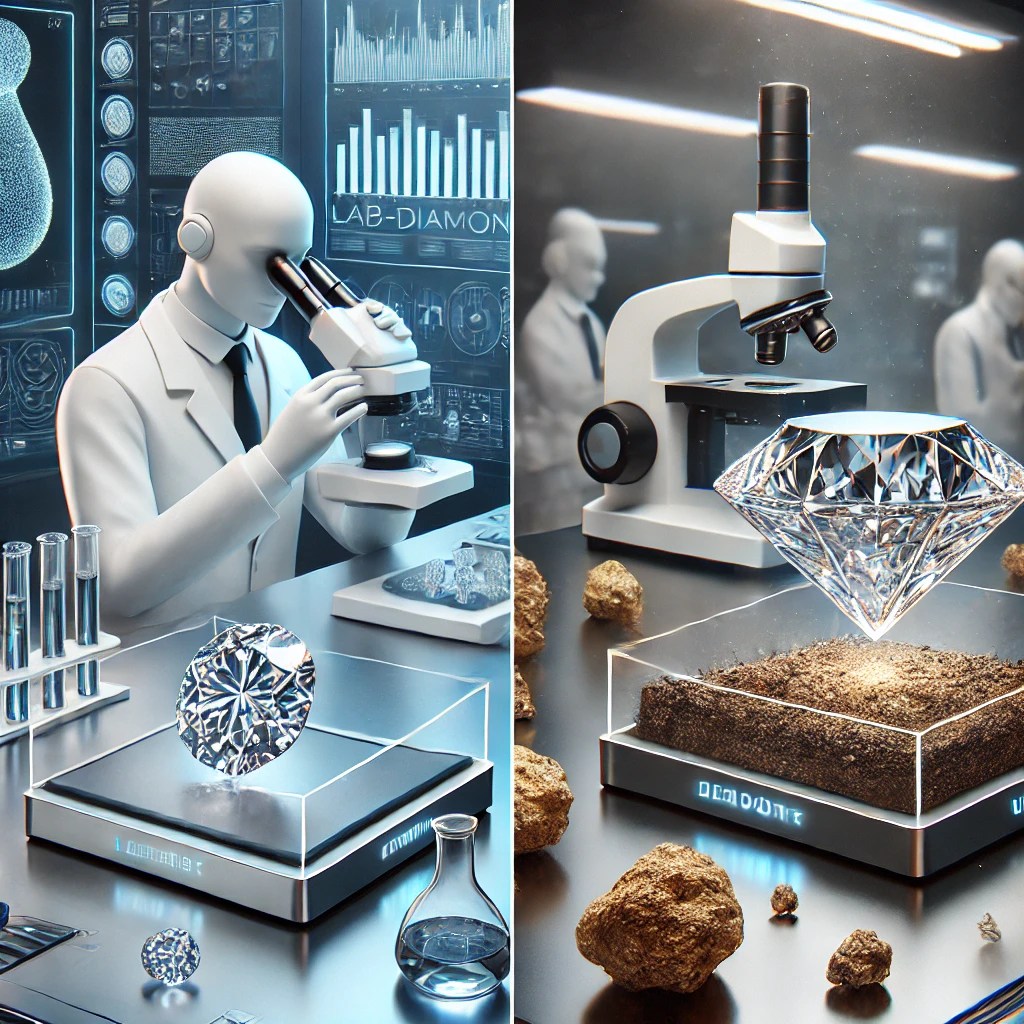
In today’s world, technological advances have introduced lab-grown diamonds—real diamonds created in controlled environments. These alternatives offer:
- Sustainability: A more eco-friendly option without compromising on brilliance.
- Transparency: Modern consumers demand to know the true origin of their diamonds, opening up a dialogue on ethical sourcing.
Wrapping Up: The True Rarity of Diamonds
So, are diamonds truly rare? It turns out that:
- Geologically: They’re more common than you might think.
- Economically: The gem-quality diamonds we cherish are indeed scarce due to extraction and quality challenges.
- Culturally: Clever marketing has elevated their status to iconic symbols of love and luxury.
The sparkle of a diamond isn’t just about its geological formation—it’s about a rich blend of natural wonder, economic factors, and the art of persuasion.
Sources for the Curious Minds
- Epstein, Edward Jay. The Diamond Empire: De Beers and the Inside Story of the World’s Greatest Business.
- Pages 78–85 provide an insightful look at market control strategies and how the notion of diamond rarity was crafted.
- Klein, Cornelis & Hurlbut, Cornelius. Manual of Mineralogy.
- Pages 102–110 offer detailed explanations of the geological processes behind diamond formation.
- Meredith, Martin. Diamonds, Gold, and War: The British, the Boers, and the Making of South Africa.
- Pages 130–135 delve into the historical and economic dynamics that shaped the diamond industry.
Stay Connected!
If you enjoyed this sparkling journey into the world of diamonds and want more engaging, curiosity-driven content, subscribe to our blog. Join our community for regular updates, insightful articles, and interactive experiences that challenge the ordinary. Your next adventure awaits—let’s uncover the wonders of our world together!
 The Learn Nest
Leave a comment