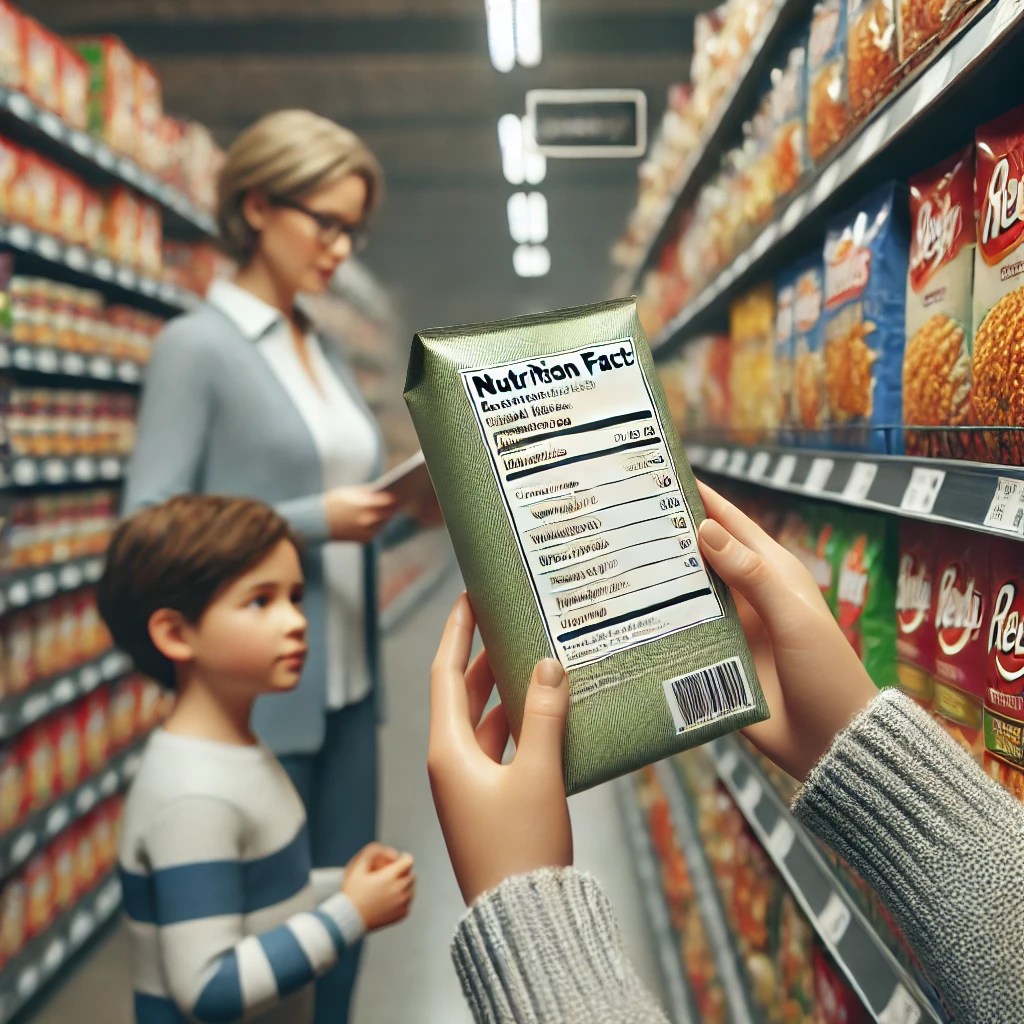
Imagine walking through a supermarket aisle, surrounded by shelves brimming with colorful, enticing packages promising quick meals and snacks. In today’s fast-paced world, packaged foods have become indispensable, offering unparalleled convenience. But have you ever paused to consider what’s behind those attractive wrappers? Let’s delve into the world of packaged foods, exploring their benefits, hidden health implications, and environmental footprint.
- The Allure of Packaged Foods
- The Hidden Health Implications
- Environmental Footprint: Beyond the Wrapper
- Striking a Balance: Practical Tips
- Conclusion
- Sources
The Allure of Packaged Foods
Why do we gravitate towards packaged foods? The answer lies in their convenience and variety. With demanding schedules, many find solace in ready-to-eat or easy-to-prepare meals that save time and effort. Moreover, packaged foods provide access to a diverse range of cuisines and dietary options, catering to various tastes and preferences.
The Hidden Health Implications
However, this convenience often comes at a cost. Many packaged foods are classified as ultra-processed, meaning they undergo extensive industrial processing and contain additives like preservatives, sweeteners, and artificial colors. Regular consumption of these foods has been linked to several health concerns:
- Obesity and Weight Gain: Diets high in ultra-processed foods are associated with increased calorie intake and weight gain.
- Chronic Diseases: Studies have shown that higher consumption of ultra-processed foods correlates with an elevated risk of type 2 diabetes, cardiovascular diseases, and certain cancers.
- Nutritional Deficiencies: These foods often lack essential nutrients and fiber, leading to poor dietary quality and potential deficiencies.
To make healthier choices, it’s crucial to scrutinize ingredient labels. Be wary of long lists featuring unfamiliar additives, and opt for products with recognizable, whole-food ingredients.
Environmental Footprint: Beyond the Wrapper
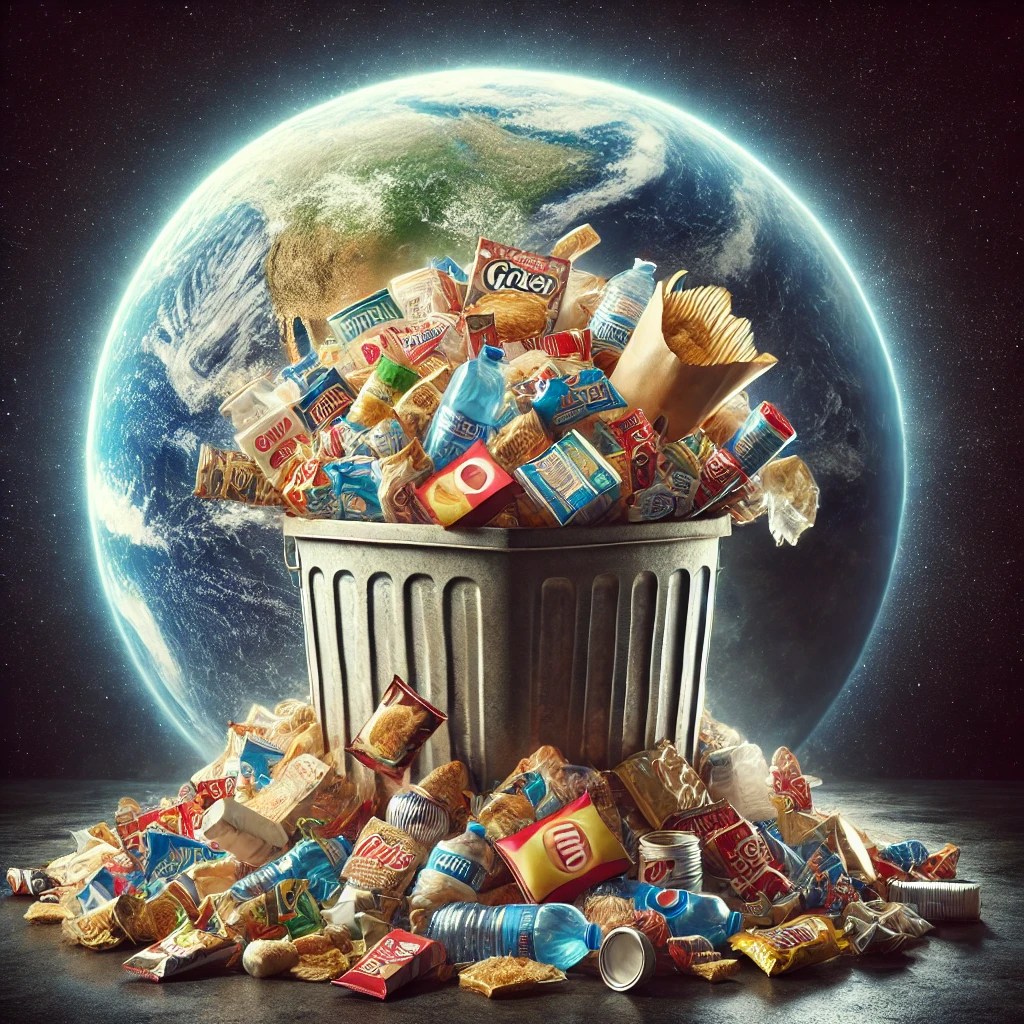
The impact of packaged foods extends beyond personal health, significantly affecting our environment:
- Resource Consumption: The production of food packaging consumes substantial resources, including energy, water, and raw materials. This process contributes to air emissions, including greenhouse gases and pollutants.
- Plastic Pollution: A significant portion of food packaging is plastic, much of which is single-use. Improper disposal leads to environmental pollution, harming wildlife and ecosystems.
- Waste Management Challenges: Non-biodegradable packaging materials contribute to overflowing landfills and environmental degradation.
As consumers, supporting brands that utilize sustainable packaging and practicing responsible disposal can help mitigate these environmental impacts.
Striking a Balance: Practical Tips
Completely avoiding packaged foods may be impractical, but mindful consumption can help balance convenience with health and environmental considerations:

- Prioritize Whole Foods: Incorporate more fresh fruits, vegetables, whole grains, and lean proteins into your diet.
- Cook at Home: Preparing meals from scratch allows control over ingredients and reduces reliance on processed options.
- Stay Informed: Educate yourself about the contents and nutritional value of the foods you consume.
- Support Sustainable Practices: Choose products from companies committed to environmentally friendly packaging and ethical sourcing.
Conclusion
Packaged foods offer undeniable convenience and variety, fitting seamlessly into our busy lives. However, it’s essential to be aware of their potential health risks and environmental consequences. By making informed choices, prioritizing whole foods, and supporting sustainable practices, we can enjoy the benefits of packaged foods without compromising our health or the planet’s well-being.
If you found this exploration insightful, consider subscribing for more in-depth discussions on health, nutrition, and sustainable living. Together, let’s embark on a journey towards informed and conscious choices.
Sources
- Processed foods: Health risks and what to avoid
- Ultra-processed food exposure and adverse health outcomes
- The Environmental Impact of Food Packaging
- Environmental Impact of Food Packaging in Southeast Asia
You Might Also Like:
Surprising Facts About Human Strength and Endurance!

 The Learn Nest
Leave a comment