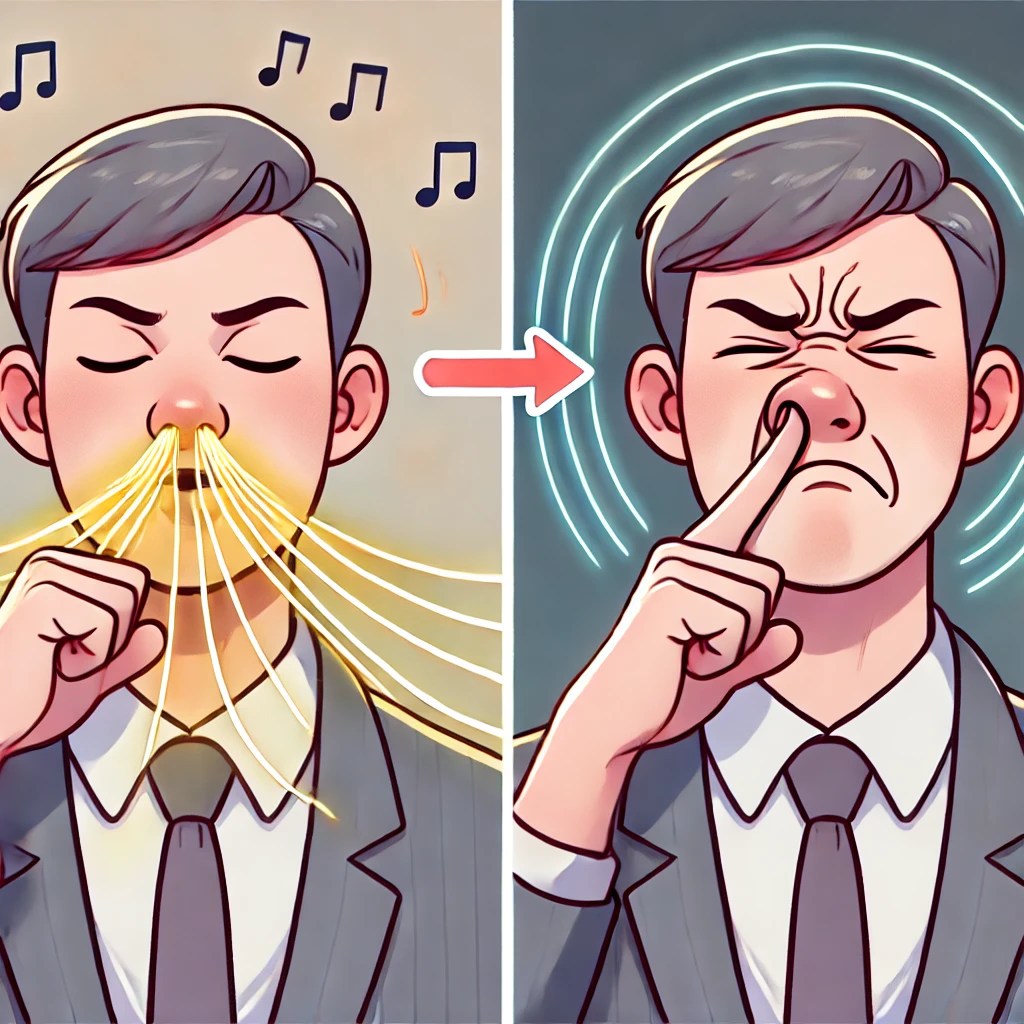
Ever tried to hum while holding your nose? If you have, you probably noticed that the sound suddenly disappears. But why does this happen? Let’s break it down.
Airflow Is the Key:
Humming relies on air moving from your lungs, through your vocal cords, and out through your nose. This steady airflow is what creates the vibrations needed for sound.
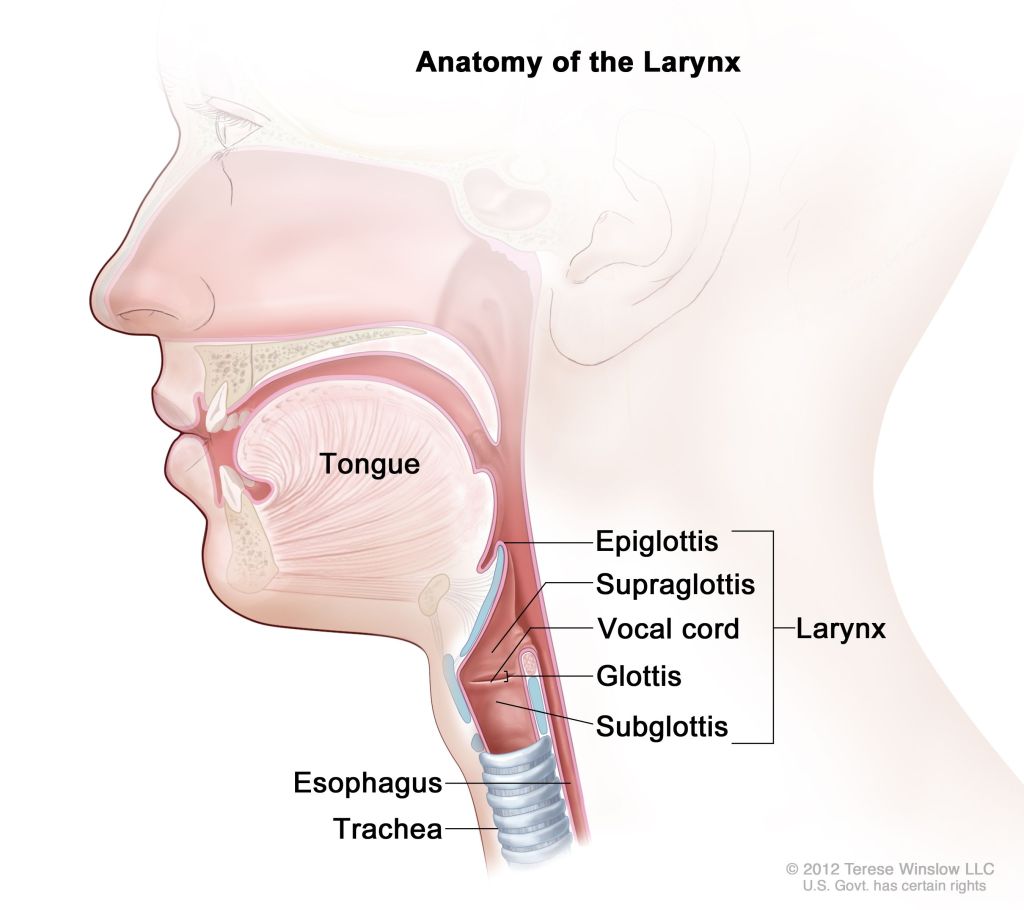
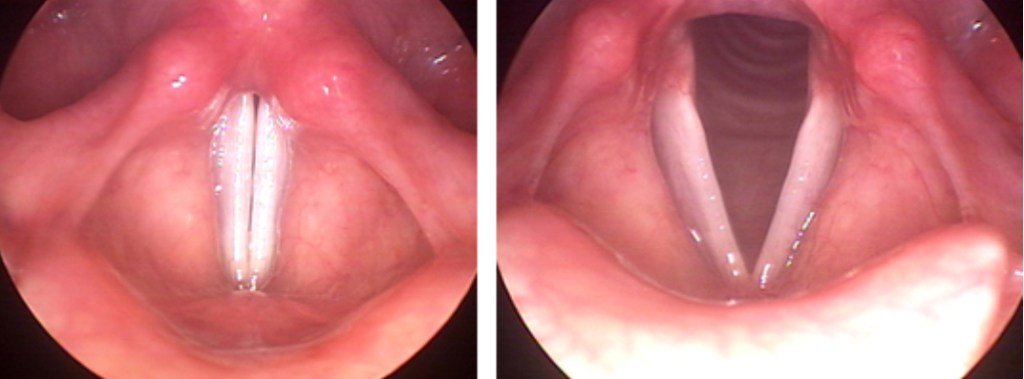
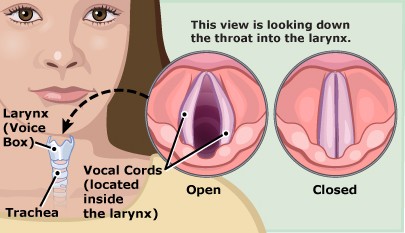
Vocal Cord Vibration and Resonance:
Your vocal cords produce the initial sound, but it’s the resonance in your nasal cavity that amplifies and shapes the hum. This space behind your nose acts like a natural sound chamber, giving your hum its distinct tone.

Blocking Your Nose Disrupts the Process:
When you pinch your nose shut, you cut off the primary exit for the air. Without this airflow, there’s not enough pressure to maintain resonance, and the sound dies out.
No Resonance, No Hum:
Even though your vocal cords continue vibrating, the sealed nasal passage prevents the hum from being audible. Without proper airflow, the sound can’t escape or resonate effectively.
The Takeaway:
Humming isn’t just about vocal cord vibration—it’s also about airflow and resonance. When you block your nose, you stop the airflow, cutting off the sound entirely.
So, the next time you’re humming along to a tune, remember: your nose plays a bigger role than you might think!
🔔 Want to learn more cool facts? Subscribe to my blog and never miss an update! 😊


 The Learn Nest
Leave a reply to learn nest Cancel reply