What if your heart suddenly stopped beating while you were running? Sounds terrifying, right? Yet, for an octopus, this is just another day in the ocean. And what if, instead of red, your blood ran blue? No, not metaphorically—literally blue. Strange? Absolutely. But this is exactly how the octopus lives. It defies expectations at every turn, making it one of the most fascinating creatures on Earth.
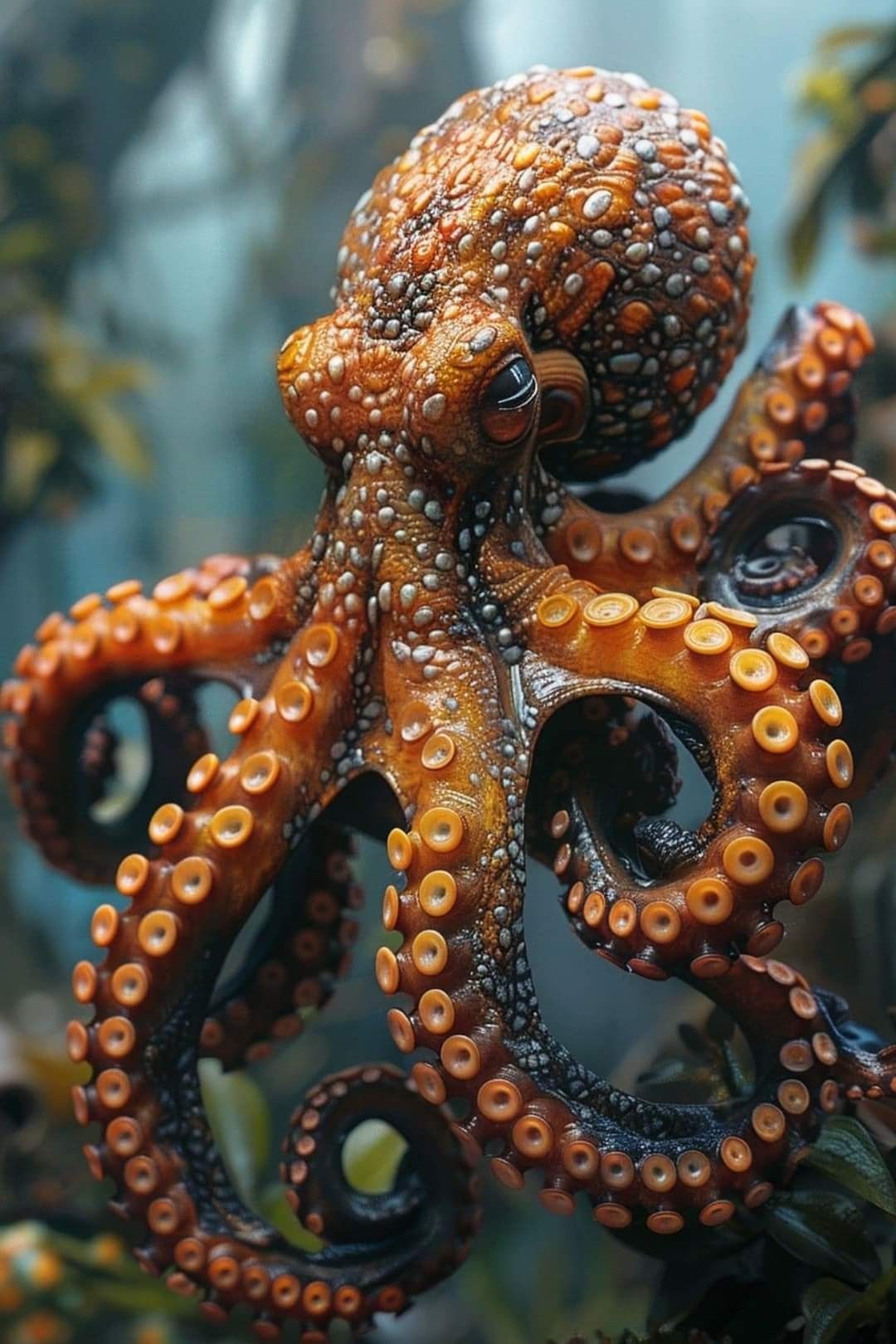
Octopuses are more than eerie deep-sea dwellers. They are some of the most intelligent creatures in the animal kingdom, capable of solving complex puzzles, using tools, and even escaping from enclosures like seasoned magicians. But beyond their intelligence, their bodies tell an even more remarkable story—one of adaptation, survival, and nature’s unparalleled creativity. So, why do these creatures have three hearts, and why is their blood blue? The answers might surprise you.
Why Three Hearts?
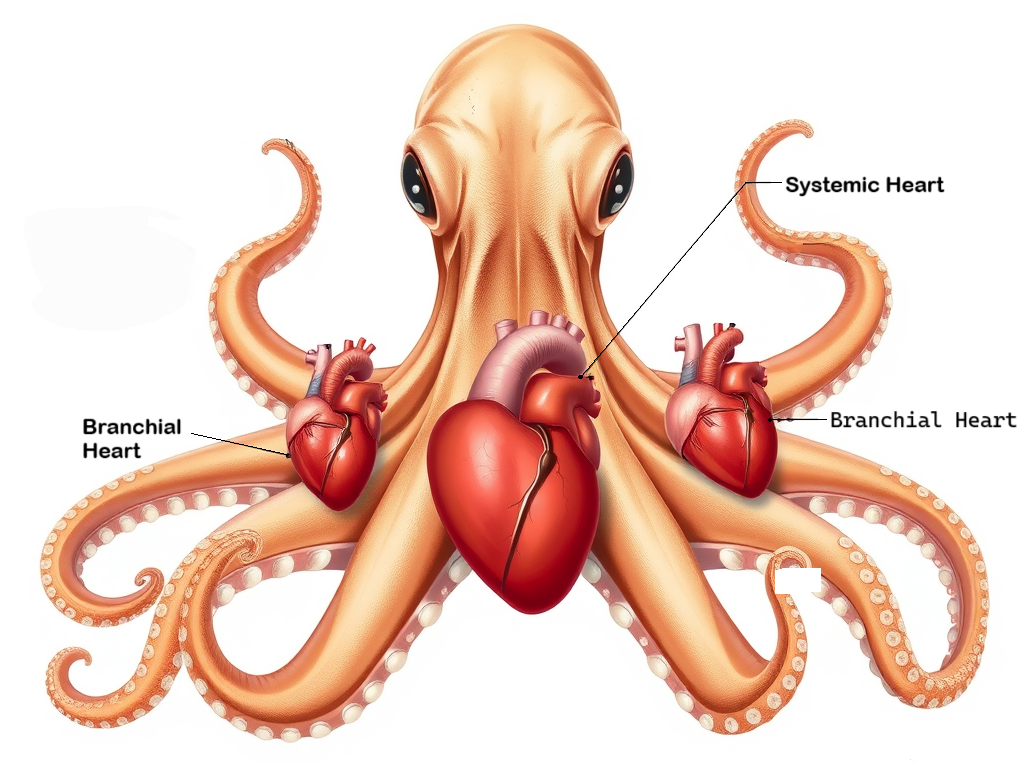
Why would an animal need three hearts? One is enough for most creatures. But octopuses play by different biological rules. Two of their hearts, known as branchial hearts, pump blood through the gills, while the third, the systemic heart, sends oxygenated blood to the rest of the body.
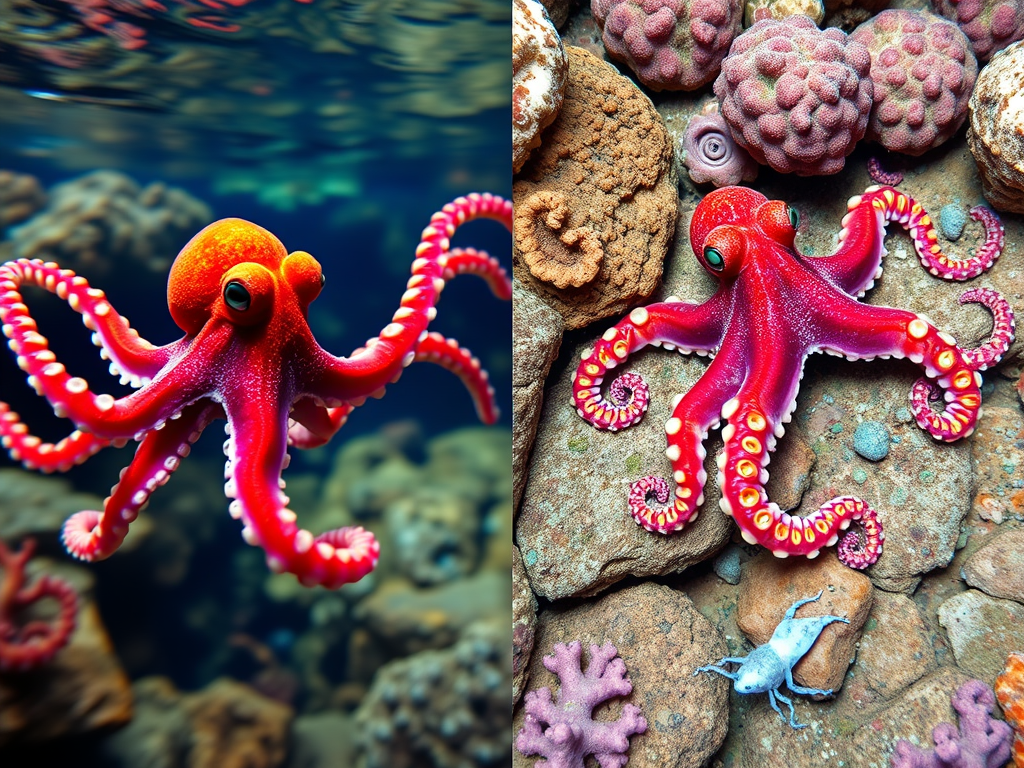
Here’s the weird part—when an octopus swims, the systemic heart stops beating. Imagine if your heart took a break every time you ran! This is why octopuses prefer crawling along the ocean floor rather than swimming for long periods. Their bodies are built for efficiency in short bursts, not endurance.
Blue Blood: Superpower or Weakness?
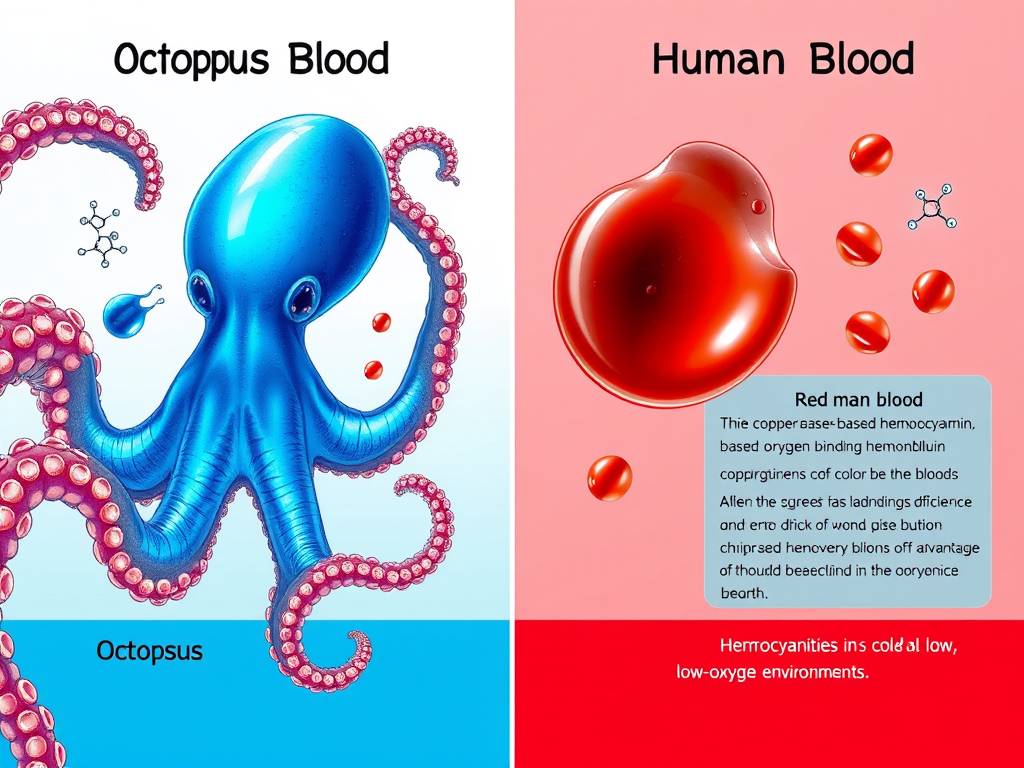
Now, let’s talk about that striking blue blood. Unlike humans, who use iron-based hemoglobin to carry oxygen, octopuses use copper-based hemocyanin. This turns their blood blue and makes oxygen transport more effective in cold, low-oxygen waters.
At first glance, this sounds like an incredible superpower. Hemocyanin remains functional even in frigid depths where other creatures might struggle. However, it comes with a drawback—hemocyanin is less efficient than hemoglobin, meaning octopuses can tire more quickly than fish or mammals. Instead of relying on endurance, they must use strategy and camouflage to survive.
Evolution’s Unique Design
Why did the octopus evolve this way? Unlike many sea creatures, octopuses don’t have tough scales or a hard shell for protection. Instead, they rely on intelligence, camouflage, and agility. Their soft, flexible bodies allow them to squeeze through tiny cracks to escape predators. But to sustain this active lifestyle, they need an efficient circulatory system—hence the three hearts and copper-rich blood.


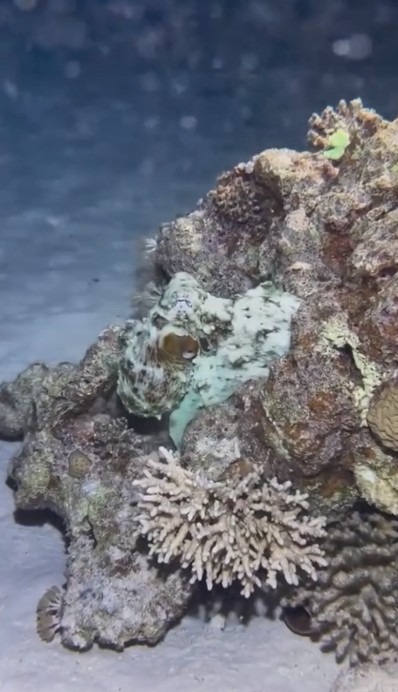
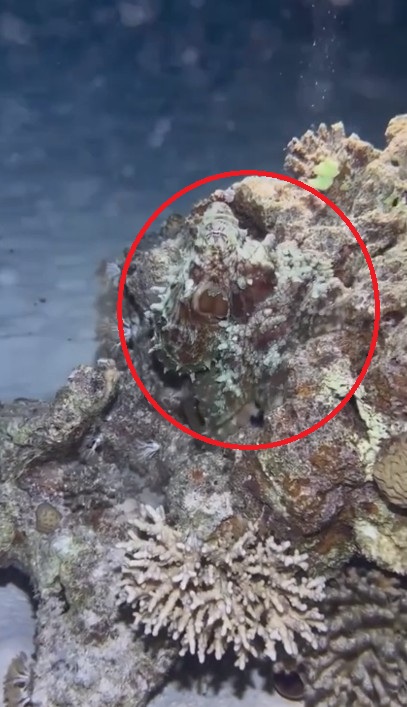
Octopuses also have other fascinating adaptations. They can regenerate limbs, instantly change color and texture to blend into their surroundings, and even mimic other sea creatures. Their entire existence revolves around deception, quick thinking, and adaptability, proving that nature rewards creative survival strategies.
A Creature Full of Contradictions
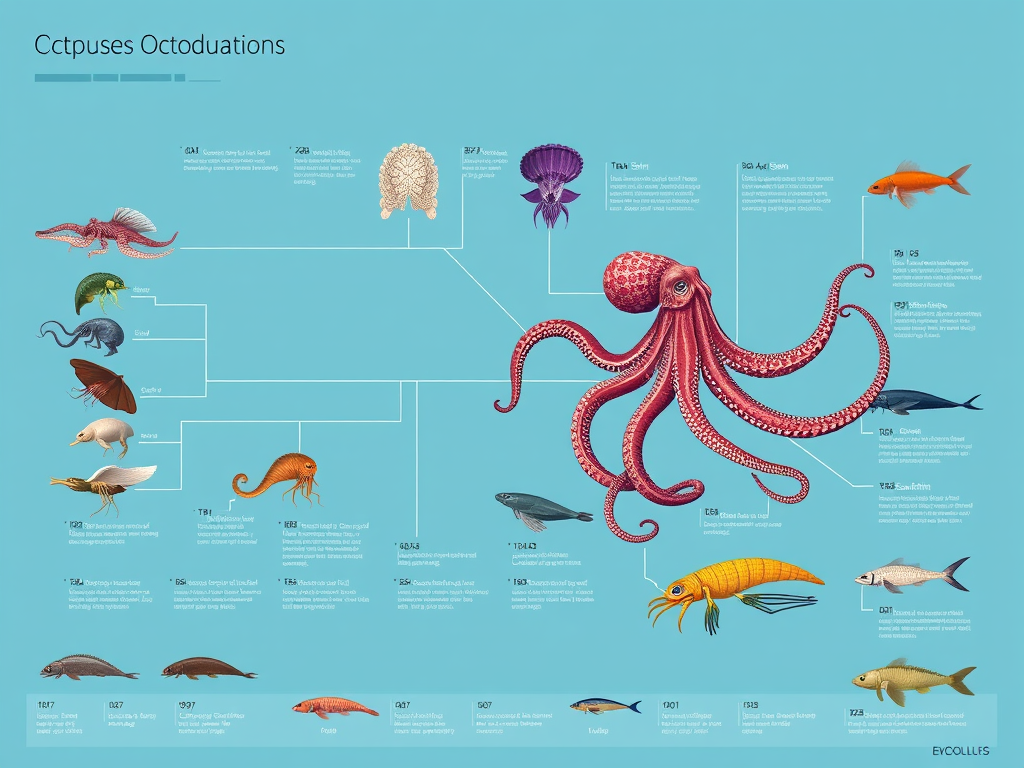
The octopus is a paradox. It’s highly intelligent yet short-lived, with some species living only a year or two. It’s a master of disguise but has no backbone—literally and figuratively. It has three hearts, but one stops working when it moves. And while its blue blood is an evolutionary marvel, it also limits endurance.
Perhaps the most perplexing aspect is its intelligence. Octopuses can navigate mazes, open jars to retrieve food, and even recognize individual humans. Some have even been observed using coconut shells as makeshift armor—an unprecedented level of tool use in marine animals. Yet, despite this intelligence, they remain solitary, and each new generation must learn everything from scratch.
The Bigger Lesson: Embracing the Unusual
What can we learn from the octopus? Sometimes, the things that make us different are also what make us exceptional. The octopus thrives not by following the usual rules but by breaking them. Its uniqueness is its greatest asset, and perhaps that’s something we can all take inspiration from.
Octopuses remind us that intelligence comes in many forms, adaptability is key to survival, and nature doesn’t always follow a predictable path. If an animal with three hearts, blue blood, and no bones can become one of the ocean’s most formidable survivors, maybe we, too, can embrace our own quirks and differences.
The next time you see an octopus, don’t just think of it as another sea creature. Think of it as a mystery—an alien of the deep that still holds secrets we have yet to uncover. Who knows? The next big breakthrough in science might just be hiding in the three beating hearts and mesmerizing blue blood of this extraordinary animal.
If you enjoyed this deep dive into the world of octopuses, don’t forget to subscribe for more fascinating insights into the wonders of nature! 🌊🐙


 The Learn Nest
Leave a reply to Anonymous Cancel reply